The basic rule: never soak
Wood swells when it gets wet and shrinks as it dries. Soaking a wooden toy, or running it through a dishwasher, can make it crack, warp, loosen its joints and raise the grain into a rough, fuzzy surface. Clean wooden toys with a damp cloth instead, and dry them soon after.
Everyday cleaning
- Mix warm water with a few drops of mild dish soap.
- Dip a soft cloth, wring it out well, and wipe the toy. Use a soft brush for grooves and corners.
- Wipe again with a cloth dampened in plain water.
- Dry with a towel, then let the toy air dry fully before it goes back in the toy box.
For a fresher clean, some families use a mix of about one part white vinegar to four parts water. Wipe it on with a damp cloth and let it dry. Vinegar can dull some finishes, so try it on a small hidden spot first.
Avoid harsh cleaners, bleach and strong disinfectants on toys young children mouth. If a toy needs disinfecting after an illness, check the cleaning advice from your pediatrician or local health service, and rinse the toy with plain water afterward.
Refreshing the finish
Unpainted wooden toys often have an oil or wax finish. Over time, washing and handling dry it out, and the wood looks pale and rough. A fresh coat brings back the color and helps protect the wood.
- Food-safe mineral oil is a common choice. It soaks in and doesn't go rancid.
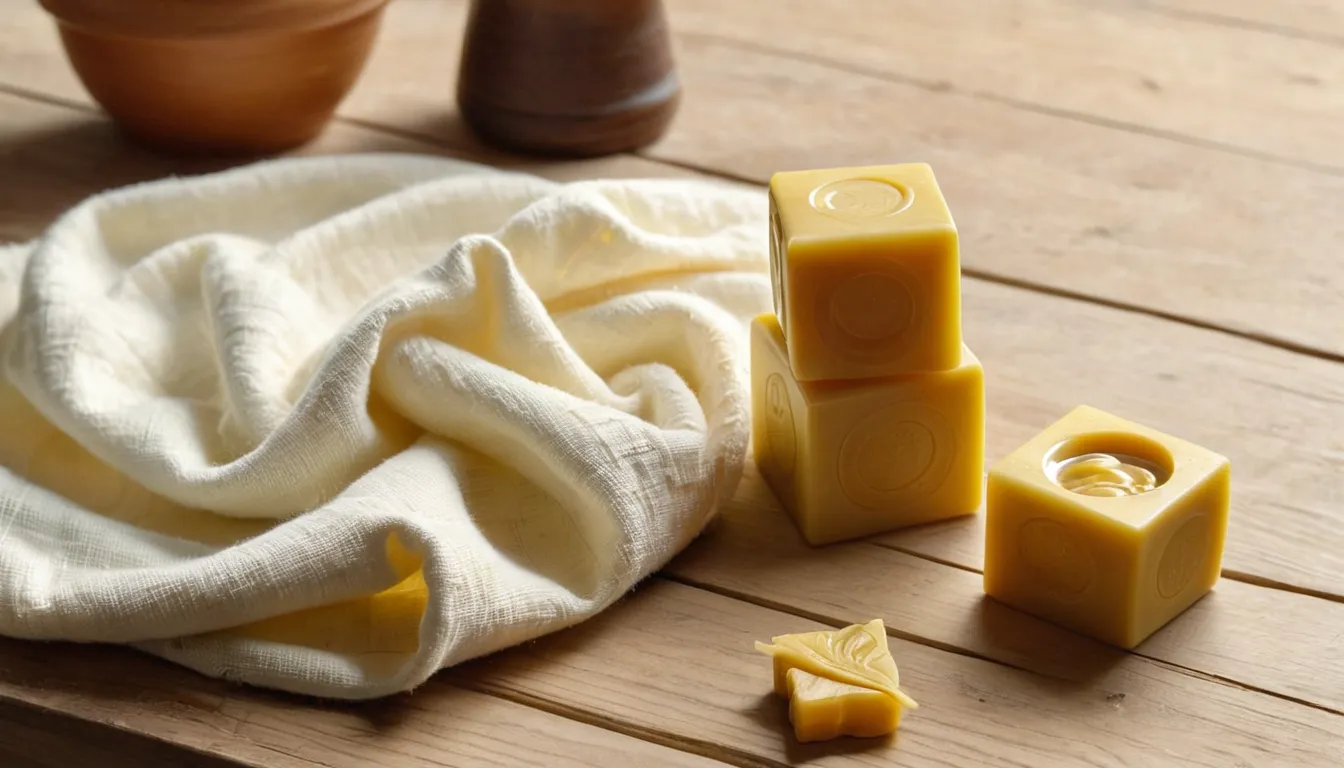
- Beeswax blends, usually beeswax melted into oil, give a soft sheen and a little more protection.
- Avoid cooking oils such as olive or vegetable oil. They can turn rancid and sticky over time.
To oil a toy, make sure it is clean and completely dry. Rub on a thin coat with a soft cloth, let it soak in for several hours or overnight, then wipe off the extra. Buff with a clean cloth. Twice a year is enough for most toys. Don't oil painted surfaces.
Small repairs
Splinters and rough spots
Sand rough areas gently with fine sandpaper, working with the grain. Wipe off the dust, then oil the spot. Only sand unpainted wood. Don't sand old paint, which may contain lead. See hand-me-down and vintage toys.
Loose parts
A loose wheel or peg can sometimes be fixed with wood glue made for indoor use. Let it cure fully, following the glue's instructions, before the toy goes back into play. If a part keeps coming loose, or if the wood around it has cracked, retire the toy.
Dents and scratches
Small dents and scratches are part of a wooden toy's life. Many people like the worn look. A light sanding and a fresh coat of oil will soften most marks.
When to retire a toy
Put a wooden toy away for good if it has a deep crack, a split near an axle or joint, a piece that could snap off, or mold that comes back after cleaning. A broken toy can become a set of small parts.
Storing wooden toys
Keep wooden toys away from radiators, heating vents, damp basements and long hours of strong sun. Big swings in heat and humidity cause cracks and fading. Open shelves and breathable baskets work well. If you pack toys away for a while, make sure they are completely dry first, and check them before they come back out.
Treat this page as a starting point. Toy rules and recall lists are kept up to date by official agencies: in the US that is the Consumer Product Safety Commission, and most other countries have a product safety regulator of their own. A pediatrician is the right person to ask about a particular child.